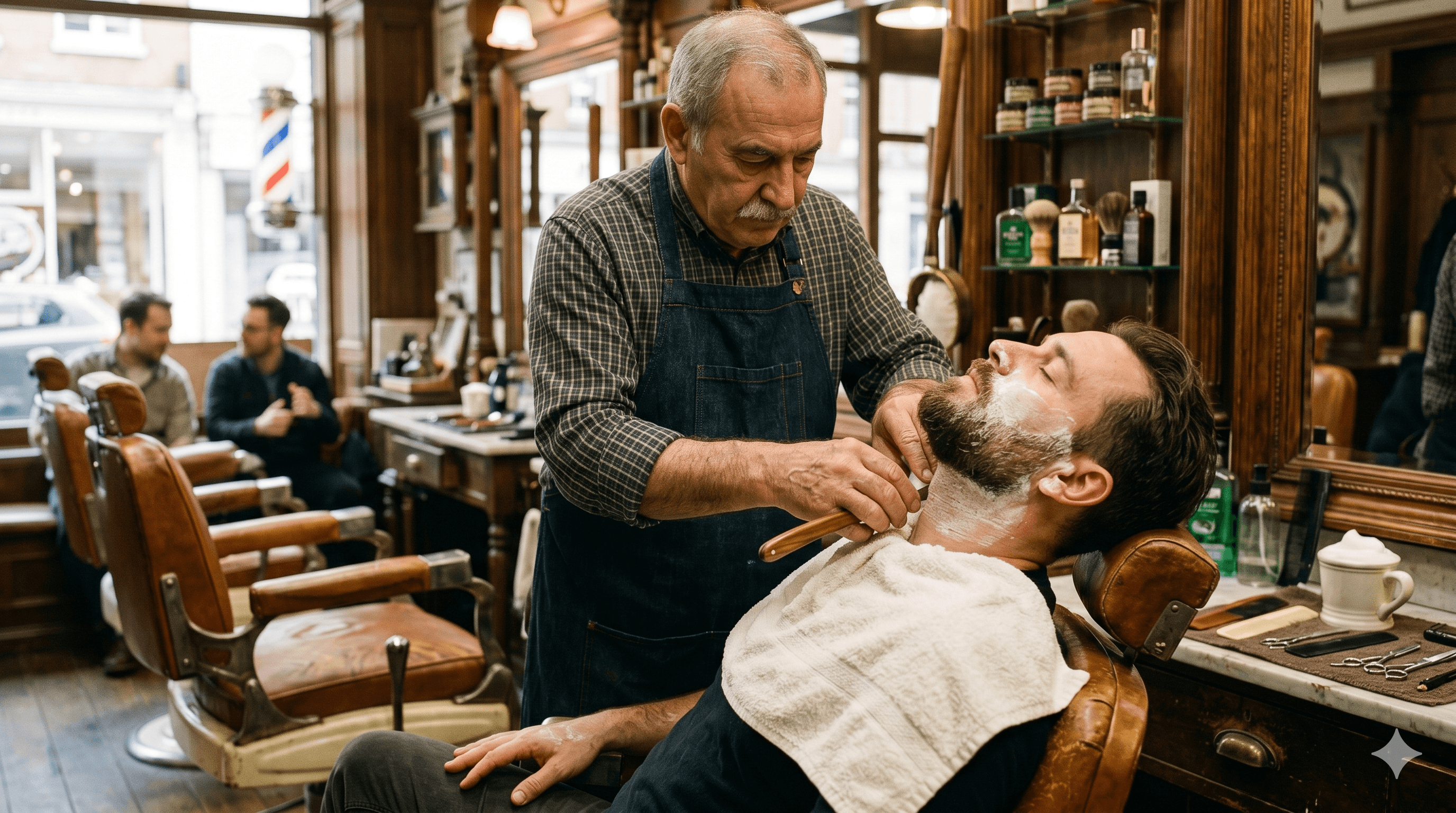
Barbershops are much more than places to trim a beard or get a haircut. They represent a deep cultural legacy, rooted in human history, and have become, over time, true symbols of elegance, masculinity, and tradition. At the same time, they continue to reinvent themselves to keep up with the desires of a modern, increasingly demanding, and connected audience.
In recent years, especially after 2010, barbershops returned with full force as a market trend, particularly among young adults who began to value both retro aesthetics and a differentiated experience. This movement rekindled interest in a type of service that had long been in decline, eclipsed by the practicality of electric and disposable razors. However, practicality has never been able to replace experience — and that is precisely where barbershops stand out.
The return of the barbershop as a successful business
The new generation of barbershops has been recovering classic elements of tradition while incorporating modern management and customer service practices. In urban centers, they are especially valued as spaces for disconnection, socialization, and male self-care. This is because today's consumers do not just want a haircut or a well-groomed beard — they seek unique experiences, with aesthetics, atmosphere, and service that recall times when grooming was a true ritual.
This revival does not happen by accident. The barber profession is one of the oldest in the world. There are historical records dating back to Antiquity, with mentions of razor blades in the Old Testament and paintings in Egyptian tombs depicting haircuts and beard shaving as common practices. Researchers have even found razor blades over six thousand years old, mummified alongside their former owners.
During Ancient Greece, the barbershop gained even more status, being considered an artistic technique. Barbers held a prestigious and prominent role in society, something that consolidated over time, especially in Western culture. In the Middle Ages, the profession took on medical functions: barbers performed everything from dressings to tooth extractions. Only after the emergence of modern medicine, around the 17th century, did they dedicate themselves exclusively to aesthetic care — thus giving rise to the foundations of what we know today as male cosmetology.
Barbershops around the world and the value of tradition
Around the world, some barbershops have withstood the test of time and turned into true cultural heritage. They keep tradition, rituals, and classic aesthetics alive, inspiring entrepreneurs and customers to relive an experience that blends sophistication and history. Here are some of the biggest icons in the industry.
Truefitt & Hill (London, United Kingdom)
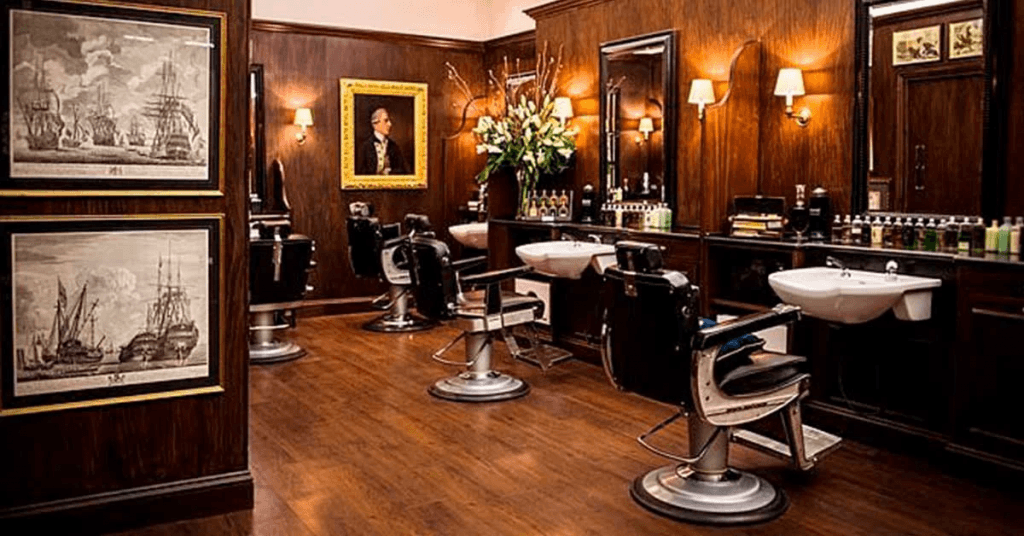
Founded in 1805, Truefitt & Hill is considered the oldest barbershop in the world still in operation. Its founder, William Francis Truefitt, served none other than King George III and other members of the British nobility. Initially specialized in making wigs, the barbershop quickly adapted to fashion changes and began offering haircuts, shaves, and luxury men's cosmetics.
Today, in addition to barbershop services, the brand sells exclusive products such as aftershaves, perfumes, and accessories. Its clientele continues to consist of celebrities, aristocrats, politicians, and even members of royalty. More than a salon, Truefitt & Hill is a symbol of timeless male elegance.
Antica Barbieria Colla (Milan, Italy)
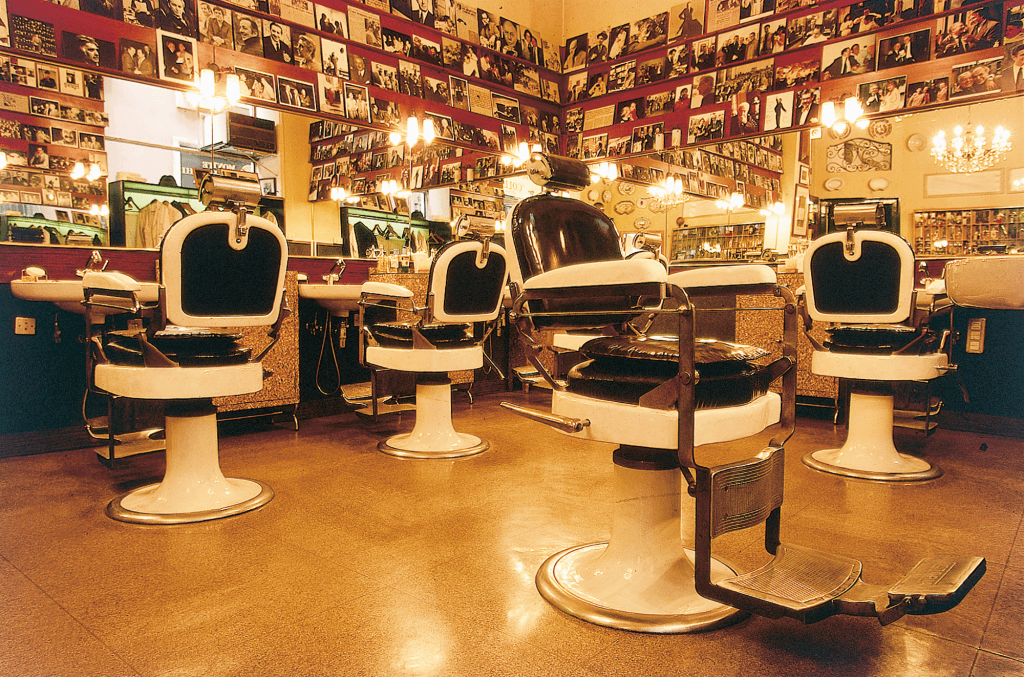
In operation since 1904, Antica Barbieria Colla has maintained the same address in the heart of Milan for over a century. This in itself says a lot about the historical and cultural value of the place. Recognized as a city heritage, the barbershop impresses both with its preserved decor and the traditional rituals it adopts.
Services include shaving with sterilized white boar hair brushes, hydration with natural oils, and facial massages. Everything is done in a quiet, comfortable, and welcoming environment that transforms the simple act of shaving into a true moment of relaxation.
Antica Barbieria Colla is frequented by artists, directors, and lovers of Italian culture, having been the setting for films and documentaries. Its employees, some with decades of service, are part of the authentic experience the barbershop offers.
Alain Maître Barbier (Paris, France)
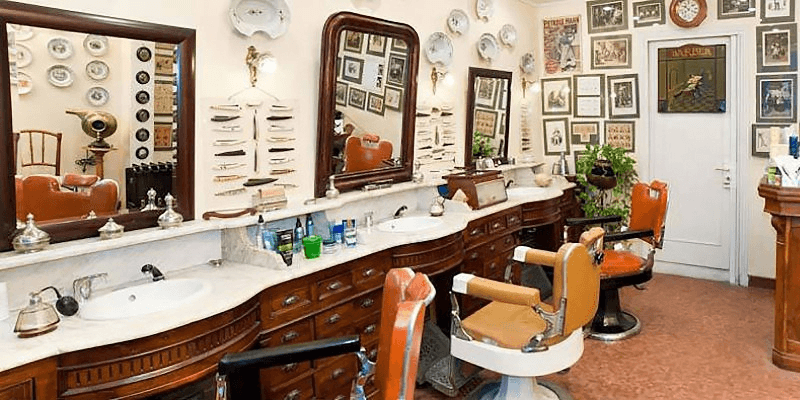
Located in the charming Marais district in Paris, the barbershop run by Alain Maître Barbier is a mixture of traditional salon and museum. Decorated with antiques related to the barbershop universe, it invites customers on a true journey through time.
Each loyal customer has an exclusive blade, stored with their name and address in the house archives. Services are provided with hot towels, badger hair brushes, and traditional French techniques, such as styling mustaches "à la parisienne." In addition, Alain offers self-shaving courses outside of business hours, combining tradition with contemporary education.
The shops are decorated with original, restored objects from the early 20th century, and every detail recalls classic Italian barbershops. The services, however, are updated to meet contemporary style — traditional cuts with modern twists, exclusive brand-name products, and an experience that combines the best of the past with the efficiency of the present.
Geo. F. Trumper (London, United Kingdom)
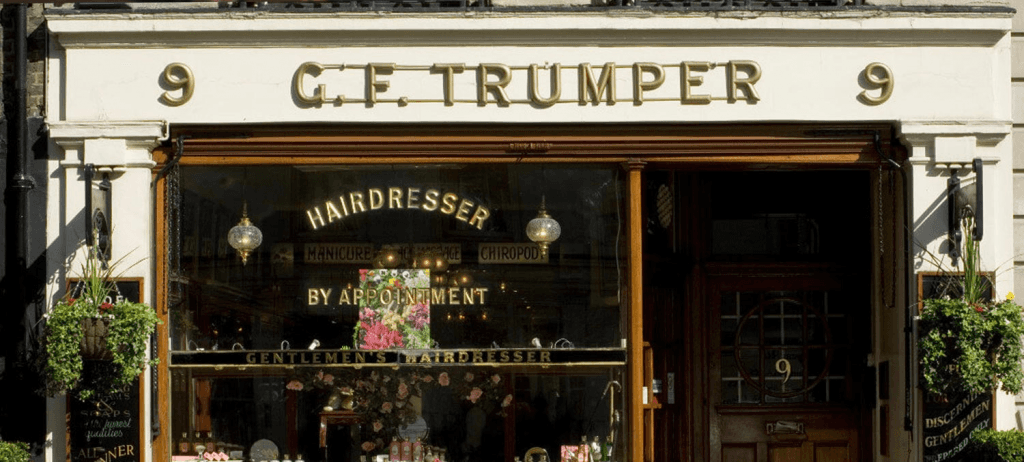
Another British legend, Geo. F. Trumper is known not only for refined haircuts but also for its men's fragrance products. Its shops, decorated with mahogany furniture and display cases that look like they came straight out of the 19th century, offer a luxurious and discreet atmosphere.
The service includes image consulting, where the barber analyzes the client's face and style before suggesting the ideal haircut. Additionally, the store sells cufflinks, stiff collars, and other vintage items that attract collectors and lovers of classic men's fashion.
The barbershop as a space for socializing and identity
More than just places for grooming, barbershops have always been centers for socializing and exchanging ideas. From antiquity to the present day, these spaces are frequented by men of all social classes, who find in them an environment to chat, relax, and strengthen ties with the community.
In many countries, moreover, the beard is associated with values such as strength, wisdom, and spirituality. Therefore, the act of caring for it goes far beyond looks — it is also an affirmation of identity and tradition.
How to combine tradition and technology in your barbershop
If you are thinking of opening your own barbershop or already own one, the secret to success lies in balancing tradition with innovation. The ambiance can recall the past, with antique furniture, classic techniques, and personalized service. But business management needs to be aligned with the current needs of customers and market demands.
Today, it is essential to offer conveniences like online booking, inventory control, automated financial management, and direct communication with clients. For this, a complete system like Belasis is your greatest ally.
Belasis was developed with the reality of barbershops, beauty salons, and aesthetic clinics in mind. With it, you manage your team, organize your schedule, control finances, and improve your client's experience — all in one place, accessible by phone or computer, wherever you are.
Whatever the style of your barbershop — classic, modern, Italian, French, or American —, with Belasis you ensure that your operation runs professionally, efficiently, and free of headaches.
Share